
This will NOT be another pandemic like COVID!!!
https://apnews.com/article/hantavirus-cruise-ship-timeline-events-b9eb3985b547758b1e42dbab6ceb3887
++++++++++
The World Health Organization and U.S. health officials are working together despite President Donald Trump’s withdrawal.
https://www.politico.com/news/2026/05/07/hantavirus-outbreak-cruise-who-tedros-00910213
+++++++++++++++++=
https://www.statnews.com/2026/05/07/hantavirus-outbreak-key-takeaways-who-cruise-ship-briefing/
https://www.cdc.gov/hantavirus/data-research/cases/index.html
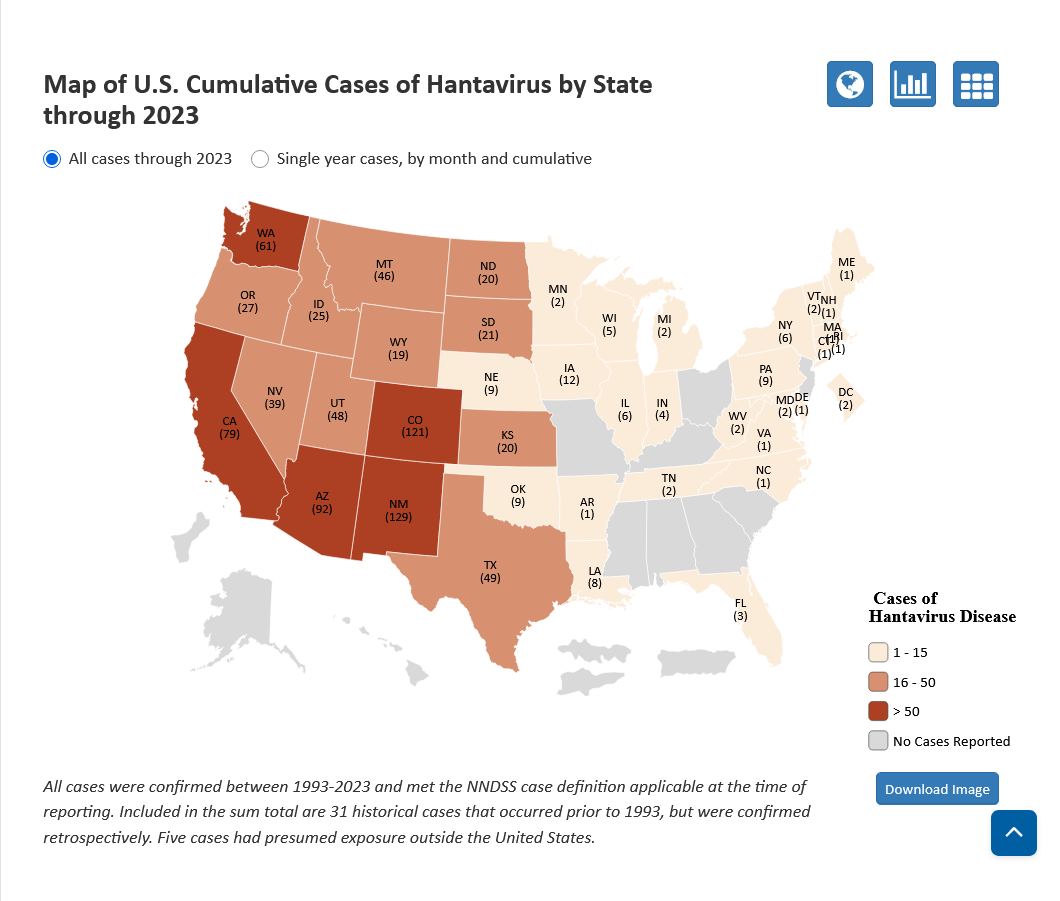
This was over a 30 year period!!!!
https://apnews.com/article/public-health-measles-rfk-maha-trump-d863f53a5d370413de8d165d5ab96e65
+++++++++++++
Major areas of public health activity include environmental health, communicable and chronic disease control, maternal and child health, behavioral health, injury prevention, emergency preparedness and response, and assessment. The impacts of decreased federal support are vast and likely to include:
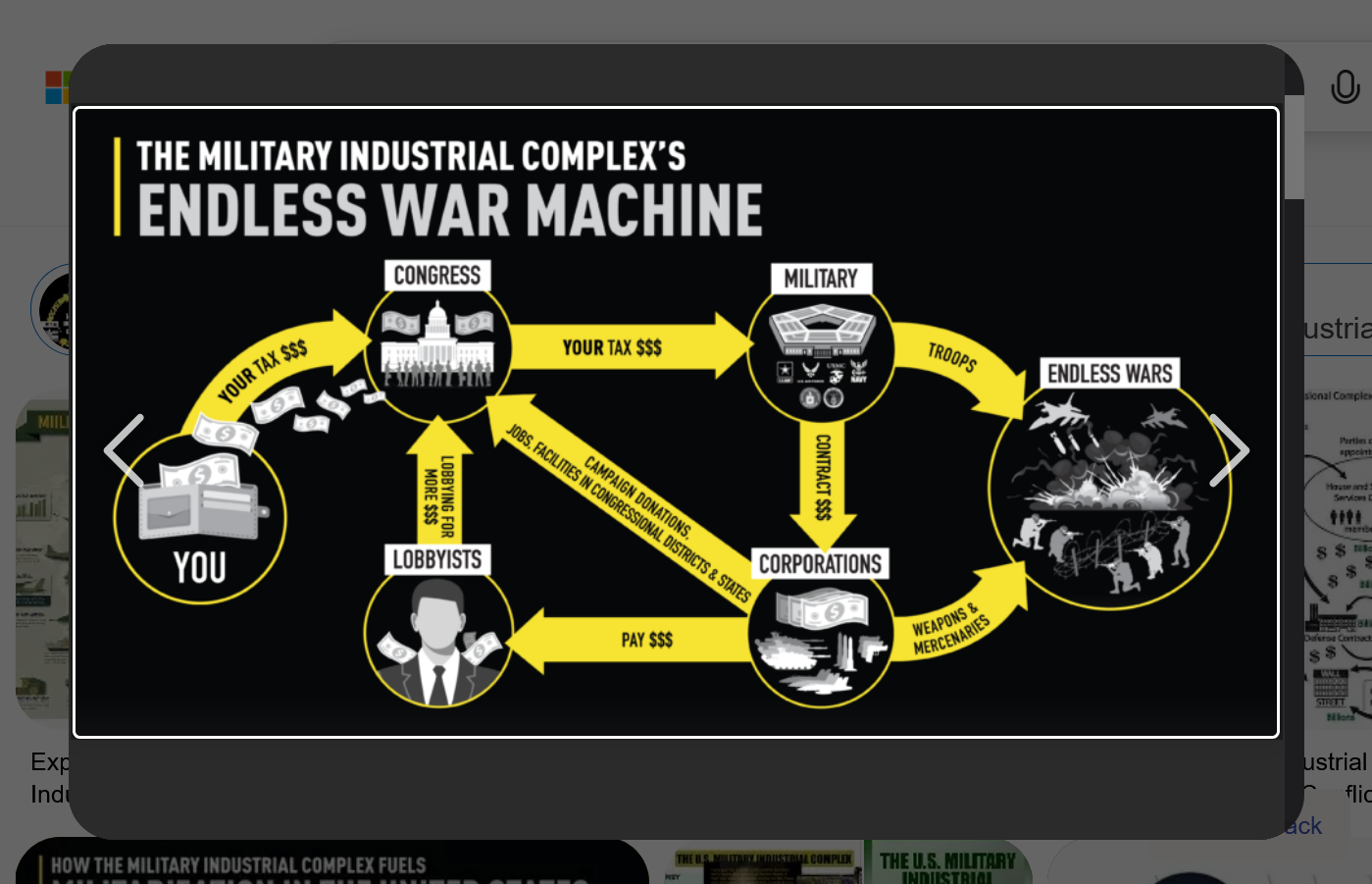
The amount of publicity and media coverage suggests around 1 million times more of a threat to any of us from the hantavirus!
The media coverage is NOT based on actual risk but instead on ratings and attracting readers with for profit businesses.
https://www.hantatrackers.com/