Supporters of the theory argue that the figure represents a statistical upper limit on humanity's future, meaning there is a 95 percent chance our species will disappear within the next 17,100 years, whether the cause is climate change, nuclear war, a pandemic or some other catastrophe.
The theory, however, remains highly controversial and has been rejected by many scientists.
++++++++++++++
Include metmike as one of those scientists! Too many unknowns, like a randomly occurring planet killer asteroid that is unlikely within 17,000 years but COULD happen.
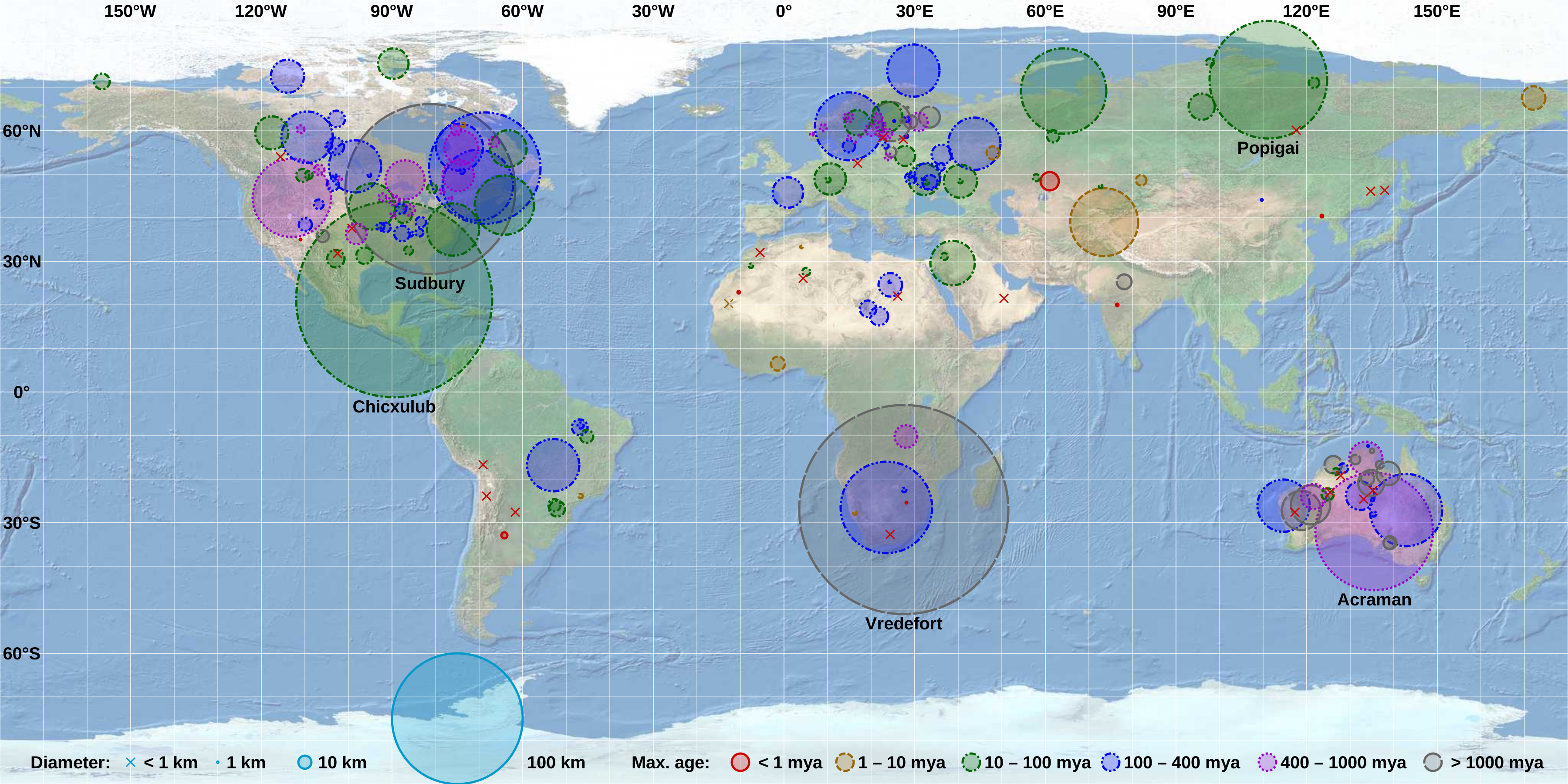
https://en.wikipedia.org/wiki/Impact_event
https://upload.wikimedia.org/wikipedia/commons/c/cc/Earth_Impact_Database_world_map.svg

| Based on ρ = 2600 kg/m3; v = 17 km/s; and an angle of 45° | ||||
|---|---|---|---|---|
| atmospheric entry | impact | |||
| Impactor diameter | Kinetic energy at | Crater diameter | Frequency (years) | |
| 100 m (330 ft) | 47 Mt | 3.4 Mt | 1.2 km (0.75 mi) | 5,200 |
| 130 m (430 ft) | 103 Mt | 31.4 Mt | 2 km (1.2 mi) | 11,000 |
| 150 m (490 ft) | 159 Mt | 71.5 Mt | 2.4 km (1.5 mi) | 16,000 |
| 200 m (660 ft) | 376 Mt | 261 Mt | 3 km (1.9 mi) | 36,000 |
| 250 m (820 ft) | 734 Mt | 598 Mt | 3.8 km (2.4 mi) | 59,000 |
| 300 m (980 ft) | 1270 Mt | 1110 Mt | 4.6 km (2.9 mi) | 73,000 |
| 400 m (1,300 ft) | 3010 Mt | 2800 Mt | 6 km (3.7 mi) | 100,000 |
| 700 m (2,300 ft) | 16100 Mt | 15700 Mt | 10 km (6.2 mi) | 190,000 |
| 1,000 m (3,300 ft) | 47000 Mt | 46300 Mt | 13.6 km (8.5 mi) | 440,000 |
+++++++++
With regards to climate change causing the end of humanity.
The INCREASE in CO2 is doing the exact opposite, massively increasing the population of humans(from more food via the laws of photosynthesis) as this beneficial gas is still just less than 50% of the optimal level for life. More of this building block for all life will continue to cause a booming biosphere and benefit most creatures on the planet.
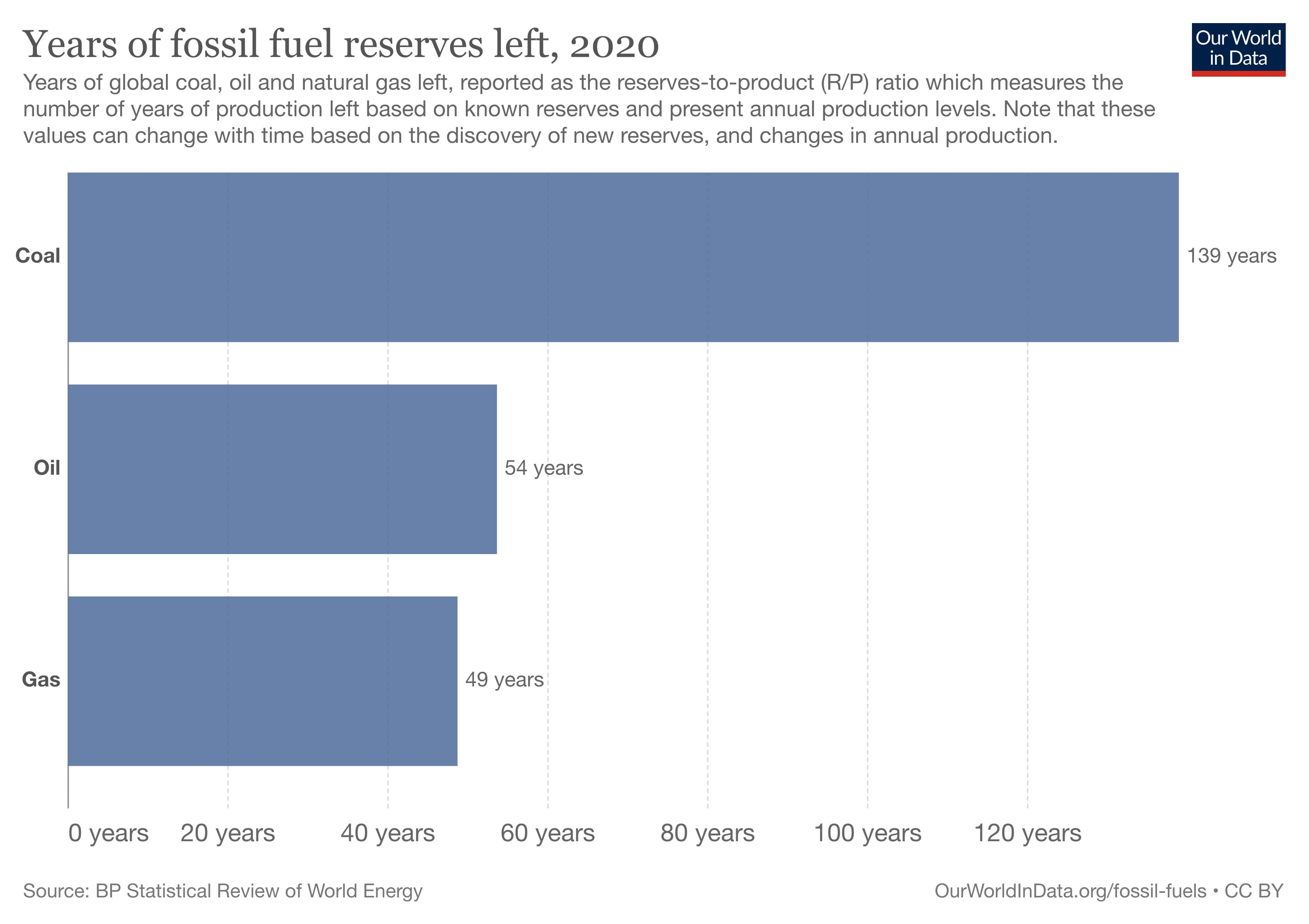
HOWEVER, fossil fuels will be running out later this century, starting with crude oil. Then natural gas, then coal.
When this happens, ambient levels of CO2 in the atmosphere will collapse lower. Not maybe but WHEN. A massively greened up planet with a much larger acreage of crops(to sustain 10+ billion humans) will have created a demand base for CO2 that will will gobble up CO2 faster than it went up. THEN, we will have the REAL climate crisis WITH GLOBAL COOLING and catastrophic humanity crisis with food production no longer able to keep up.
This seems impossible to fathom in 2026 but it's inevitable.
This will merely cut down on the number of humans, not wipe us out.
Then, there's the depletion of other natural resources.
However, technological advancements will make an unknown, positive contribution. Maybe we will be using nuclear power and desalination to bring much more fresh water to the world??
Maybe using technology to intentionally increase CO2 levels to prevent the crisis from plunging beneficial CO2 levels??
Sources that are predicting the end of humanity from too much beneficial CO2 are basing it on junk science.
Death by GREENING!
Started by metmike - May 11, 2021, 2:31 p.m.
+++++++++++++
While this estimate is likely conservative and more fossil fuels reserves will likely be discovered, there is no denying that FOSSIL fuels are FINITE!!!!
Life existed and died on this planet for a finite period of time. Plants consumed CO2 in the atmosphere, animals consumed those plants and made carbon part of their bodies. They were buried, some deeply underground where they became concentrated in large pocket of gas, oil and coal deposits that are NOT being replenished, instead being gradually depleted.
They WILL run out eventually over 8 billion people depleting them at an increasingly impossible to sustain rate.
That is the main reason to develop renewable energy. Because fossil fuels WILL run out. Future generations may need to burn them to keep the beneficial CO2 in the atmosphere from dropping in order to maintain global food production.
All the "saving the planet" from beneficially increasing CO2 sources, should instead be teaching real science/biology and geology.
Telling us the authentic reason to cut back on using finite fossil fuels. It's NOT because of toxic CO2 causing a fake climate crisis but instead, it should be to cut back to save the limited fossil fuels AND MOST IMPORTANTLY, develop the replacement energy sources and energy delivery systems that humans will be depending on in the future when fossil fuels run out............and they will run out.
And they will start running out in the life times of humans living today!
The other thing. When an essential source for existence becomes increasingly scarce, what happens to the price??
Cheap, reliable energy sources are the life blood to every developed countries economies!
We saw what happened to the price of crude when the market dialed in a temporary 20% drop in global production.
When the price doubles, production will go up because it provides financial incentive to producers to bring more (costly) production to the market. In several decades, as CHEAP, easy to get supplies become depleted it will become increasingly costly to generate the HARDER to get supplies.
Even if you are optimistic and double the numbers above(which is possible) there wasn't enough previous life on this planet to result in fossil fuels much beyond that.
Could we actually manufacture hydrocarbons from raw materials and incredible pressure that have the same chemistry/energy as fossil fuels? Technology and ingenuity have no limits, even if fossil fuels are limited.
Crude oil does more than just provide fuel for transportation.
With Over 6000 products and counting, petroleum continues to be a crucial requirement for all consumers.
https://www.ranken-energy.com/index.php/products-made-from-petroleum/
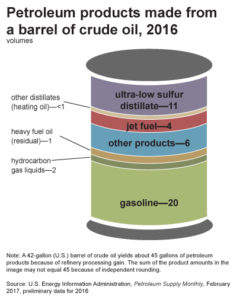
A U.S 42-gallon barrel of crude oil yields about 45 gallons of petroleum products in U.S. refineries because of refinery processing gain. This increase in volume is similar to what happens to popcorn when it is popped.
++++++++++++

With solar and wind booming, the chemical industry dabbles with forgoing petroleum as its source
https://www.science.org/content/article/can-world-make-chemicals-it-needs-without-oil