Copper at all time highs/tariffs
4 responses | 0 likes
Started by metmike - Sept. 8, 2026, 7:44 a.m.
Comments
By metmike - Sept. 8, 2026, 7:50 a.m.
Like Reply

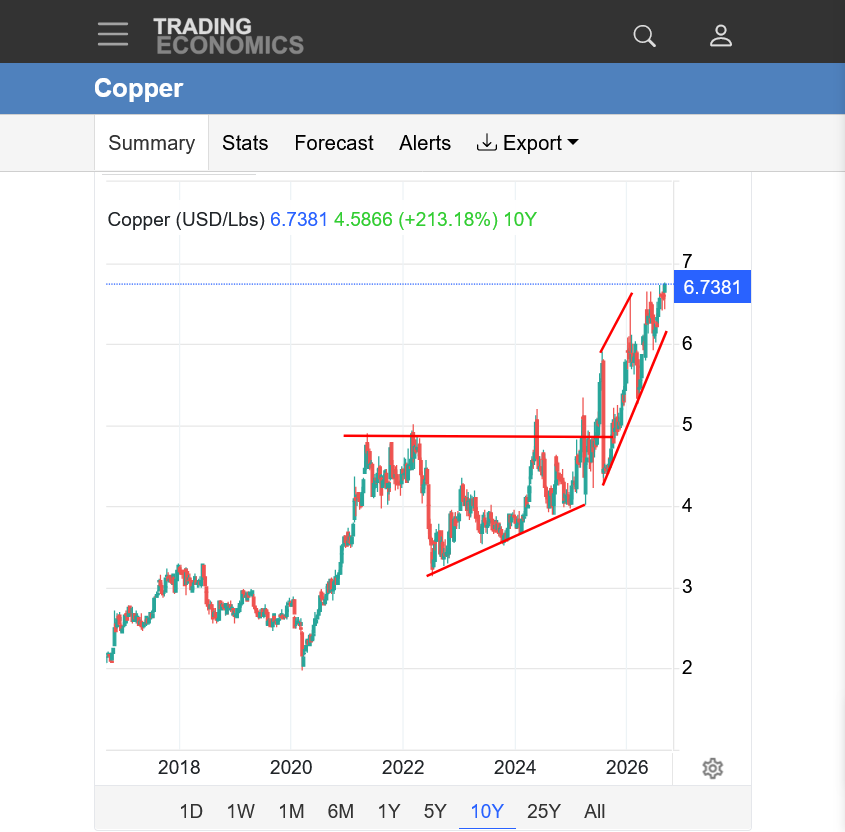
1. 10 year chart: Huge surge, doubling in price the past 5 years.

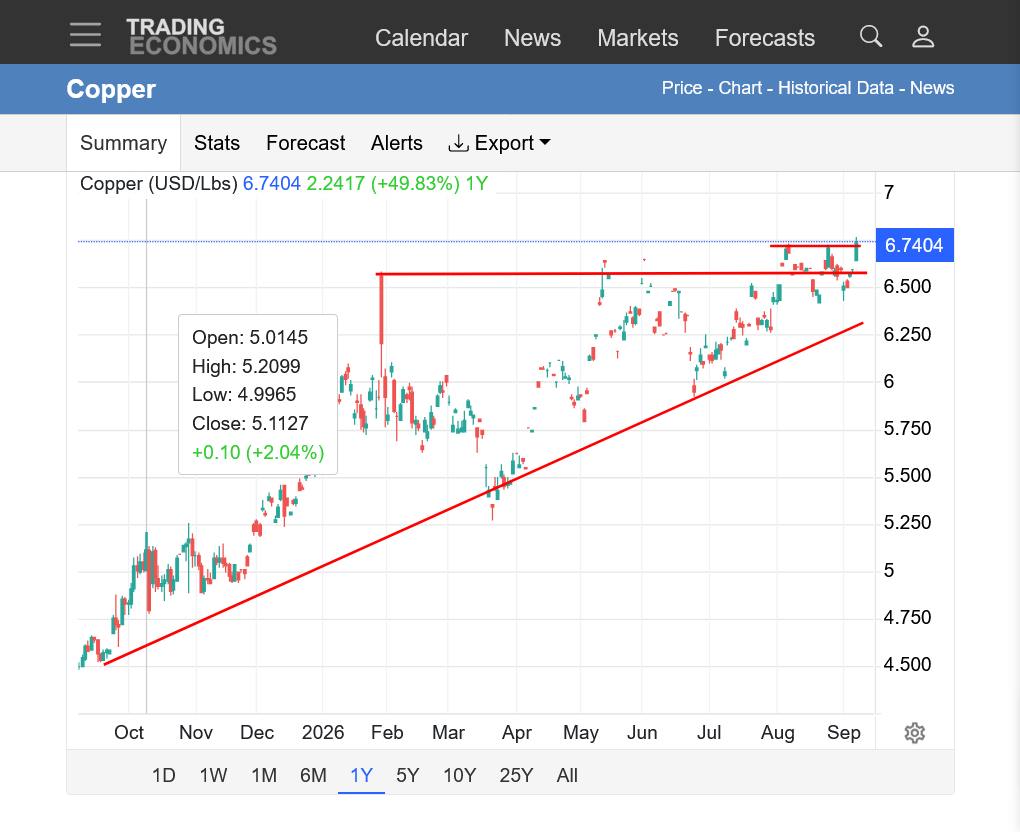
2. 1 year: Very BULLISH, ascending wedge/triangle. Breaking out to the upside? Will this previously strong resistance area hold back the bull charge upwards?

https://tradingeconomics.com/commodity/copper

By metmike - Sept. 8, 2026, 8:05 a.m.
Like Reply

AI Overview

 Copper market fundamentals are currently defined by a strong structural supply deficit driven by surging demand from global electrification and green energy transitions colliding with slow-developing mine supply. [1, 2]Key Demand Drivers
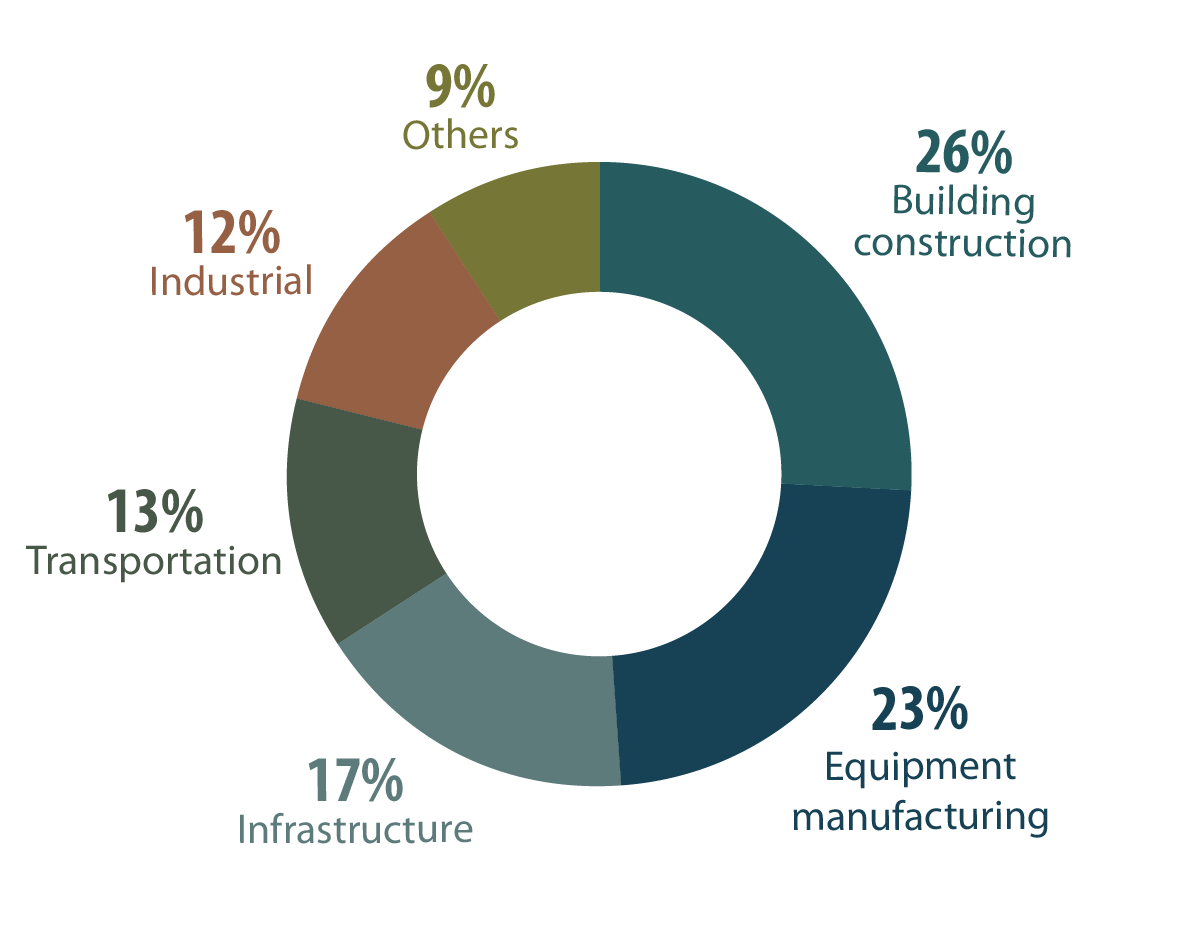
  • Global Electrification: Electric vehicles, charging networks, and renewable energy infrastructure account for a major portion of consumption. [1, 2]
  • Power Infrastructure: Upgrading aging electrical grids requires massive amounts of the red metal. [1]
  • Technology and AI: Data centers and related tech infrastructure add a fast-growing layer of modern demand. [1, 2]
  • Economic Health Indicator: Often dubbed "Doctor Copper," the metal serves as a classic leading proxy for the broad global industrial economy. [1]
Supply Constraints
  • Mine Constraints: New copper mines face geological limits and long lead times—averaging roughly 17 years from initial discovery to active production. [1, 2]
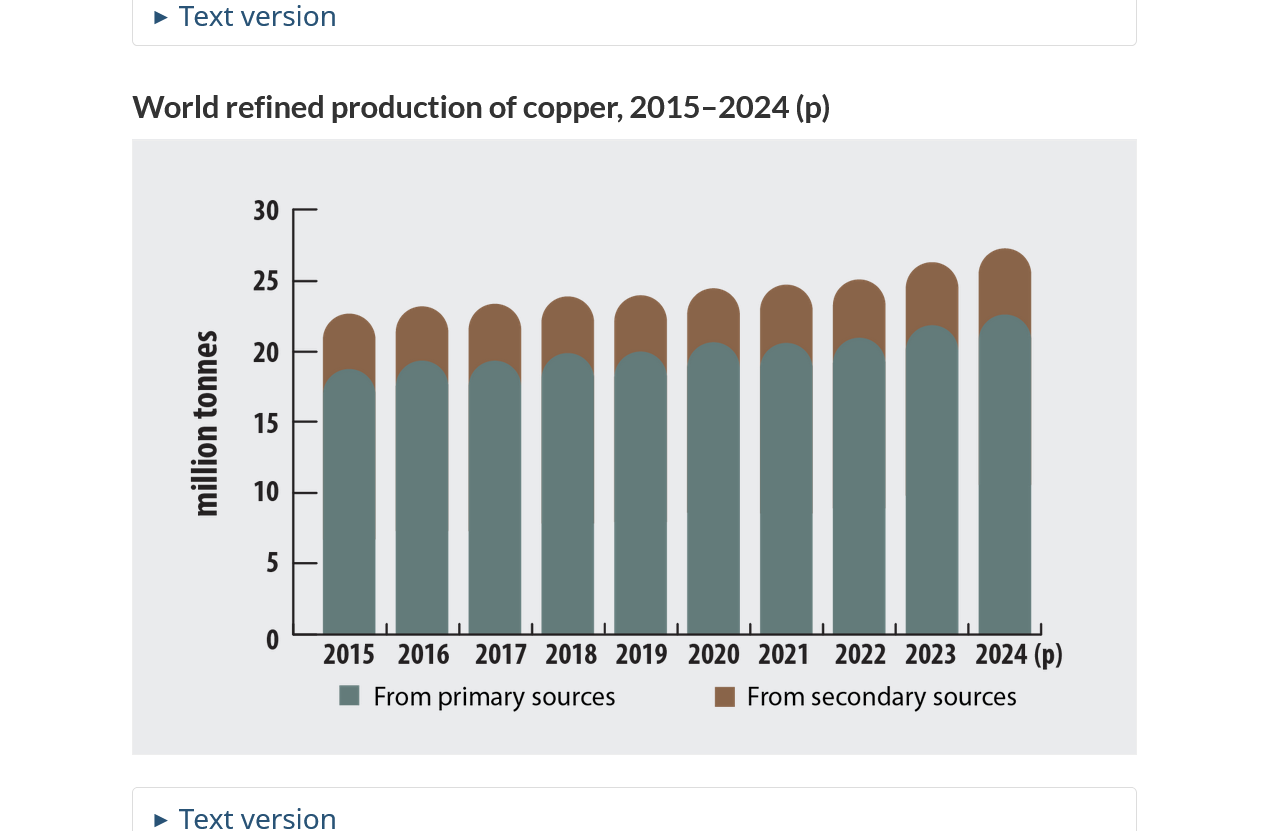
  • Deficit Outlook: Production is anticipated to peak around 2030 before tapering off, widening the supply gap as demand climbs toward 2040 projections. [1]
  • Geopolitics and Tariffs: Short-term pricing and logistics frequently react to trade policies, smelting competition for scarce concentrate, and shifting global inventory levels

+++++++++++++++++


Can the US produce enough copper for itself?

AI Overview

 No, the United States cannot produce enough refined copper for itself right now and must import roughly 30% to 50% of the refined metal it needs. While the U.S. has plenty of copper ore in the ground, it faces major bottlenecks in turning that raw rock into usable metal. Current Supply and Demand
  • Consumption: The U.S. uses about 2.2 million to 2.5 million tons of copper every year. 
  • Domestic Production: American mines dig up about 1 million tons of copper a year. 
  • The Gap: A large share of mined ore is shipped overseas to be processed, and domestic refineries only produce about 850,000 tons of refined copper. 
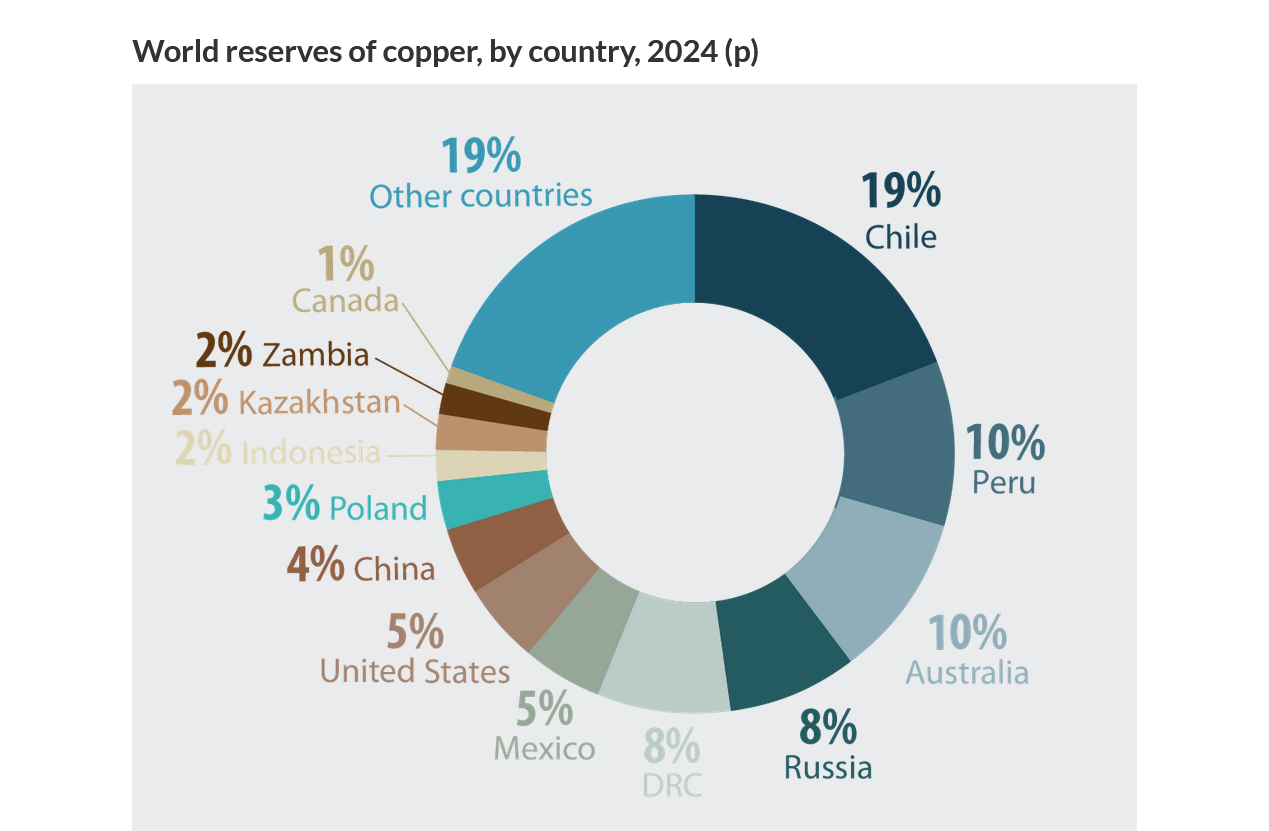
  • Imports:The U.S. relies on imports—mostly from Chile, Canada, and Peru—to cover the remaining 810,000 to 850,000 tons of refined copper needed.
     
Why the U.S. Isn't Self-Sufficient
  • Lack of Refineries: The U.S. lacks enough midstream smelting and refining facilities to process all the copper it mines at home.
  • Slow Permitting: Getting a new copper mine approved and built takes decades, often averaging nearly 30 years.
  • Rising Demand: The shift to electric vehicles, renewable energy, and artificial intelligence data centers is pushing demand higher. 
Future Outlook Experts note that the U.S. cannot become fully self-sufficient in refined copper before 2035. Building new processing plants and approving new mines takes billions of dollars and many years of regulatory work


By metmike - Sept. 8, 2026, 8:15 a.m.
Like Reply
By metmike - Sept. 8, 2026, 8:18 a.m.
Like Reply

The widening gap between copper supply and demand will have an impact on economic development and energy futures


https://www.sciencedirect.com/science/article/abs/pii/S2214629626000526?via%3Dihub

++++++++++++

America mines copper it does not finish.

The United States produces about 1,000 kt of copper a year and ships roughly a third of it back out as ore and concentrate. The narrow point is smelting and refining, the midstream of the copper supply chain: the industrial capacity that turns concentrate into metal. Domestic refineries produce 850 kt against consumption near 2,200 kt, and imported metal covers the difference.